Research
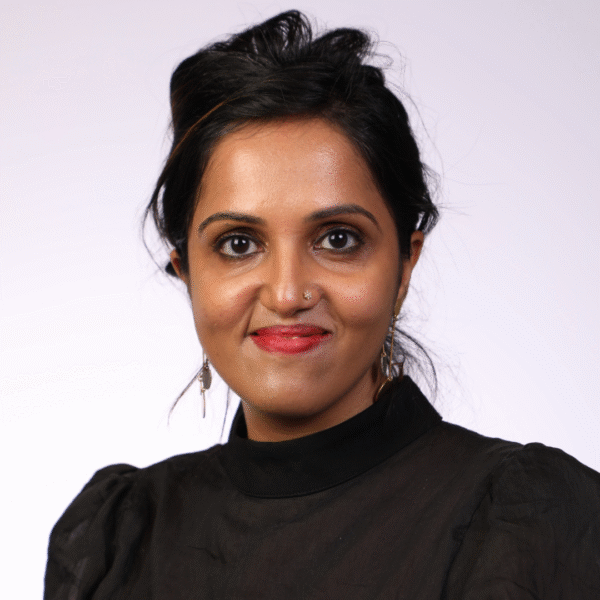
Dr. Suvasini Lakshmanan is a dedicated cardiologist and clinical researcher with a rich background in cardiovascular imaging and a focus on cardiovascular prevention. Her academic training spans from her medical degree (M.B.B.S) in India to advanced clinical and research fellowships in Cardiology and Cardiac CT, complemented by a Masters in Clinical and Translational Research from Brown University and Masters in Clinical Trials at the University of Oxford.
Dr. Lakshmanan’s research primarily involves the application of advanced imaging techniques, such as coronary computed tomography angiography (CCTA), to explore the progression and characteristics of coronary plaque, as well as the role of lipid metabolism and inflammatory markers in cardiovascular health. Her research has contributed significantly to the understanding of cardiovascular risk assessment, particularly in diverse populations, including South Asians, women, and patients with diabetes.
Her publications in peer-reviewed journals like Heart International, European Heart Journal, JACC Case Reports, and Journal of Cardiovascular Computed Tomography are widely cited. Notable studies include the examination of coronary artery calcium (CAC) and its predictive value in assessing obstructive CAD, as well as the role of omega-3 fatty acids (icosapent ethyl) in plaque progression in statin-treated patients. Dr. Lakshmanan has also investigated gender differences in CAD referral patterns and plaque morphology, as well as the association of pericoronary fat with coronary plaque burden.
Her leadership roles within professional societies, such as chairing the American Heart Association Planning Committee and serving as an associate editor for the European Heart Journal, demonstrate her commitment to advancing the field of cardiovascular imaging. Dr. Lakshmanan has been recognized with prestigious awards, including the National Lipid Association Young Investigator Award (2022) and the Women As One Global Mentor Match Escalator Award (2021). Her numerous abstracts and presentations at major cardiovascular conferences such as the American College of Cardiology (ACC) and Society of Cardiovascular Computed Tomography (SCCT) reflect her influence on current research trends in cardiovascular health.
Biography
Dr. Suvasini Lakshmanan is a highly accomplished cardiologist and clinical researcher specializing in cardiovascular imaging, with a particular focus on coronary artery disease (CAD), atherosclerosis, and advanced cardiac imaging techniques like coronary computed tomography angiography (CCTA). She obtained her M.B.B.S. from Jawaharlal Institute of Post Graduate Medical Education and Research in India and went on to complete her residency and fellowship training at prestigious institutions, including Brown University, Harbor-UCLA Medical Center, and the University of Iowa.
Dr. Lakshmanan holds a Master’s degree in Clinical and Translational Research from Brown University and is currently pursuing a Master’s in Clinical Trials at the University of Oxford. Her research has made significant contributions to understanding the role of coronary artery calcium (CAC) in cardiovascular risk assessment, the use of omega-3 fatty acids in plaque regression, and gender differences in cardiovascular disease.
She is actively involved in various professional societies, including the American Heart Association, the Society of Cardiovascular CT, and the American Society of Preventive Cardiology, and has served in leadership roles such as the chair of the Early Career Committee at the American Society of Preventive Cardiology. Dr. Lakshmanan’s work is widely recognized, with numerous publications in high-impact journals and presentations at leading cardiovascular conferences.
Her professional interests lie in improving cardiovascular risk prediction through advanced imaging, exploring novel therapeutic interventions, and furthering understanding of the intersection between cardiovascular disease and other metabolic conditions. Dr. Lakshmanan is committed to advancing the field of cardiology through her research and clinical work, with a particular emphasis on prevention, women’s cardiovascular health, and global health disparities.