Part 1 of 3: Why Exercise is a Precision Prescription, Not Just Advice
What if exercise were treated with the same precision as any other medical therapy?
For generations, physicians have encouraged patients to be physically active. Today, a growing movement is changing that conversation. Rather than simply recommending exercise, clinicians and researchers are increasingly asking how it can be prescribed—tailored to an individual’s health and abilities—to prevent disease, improve treatment outcomes, and enhance quality of life.
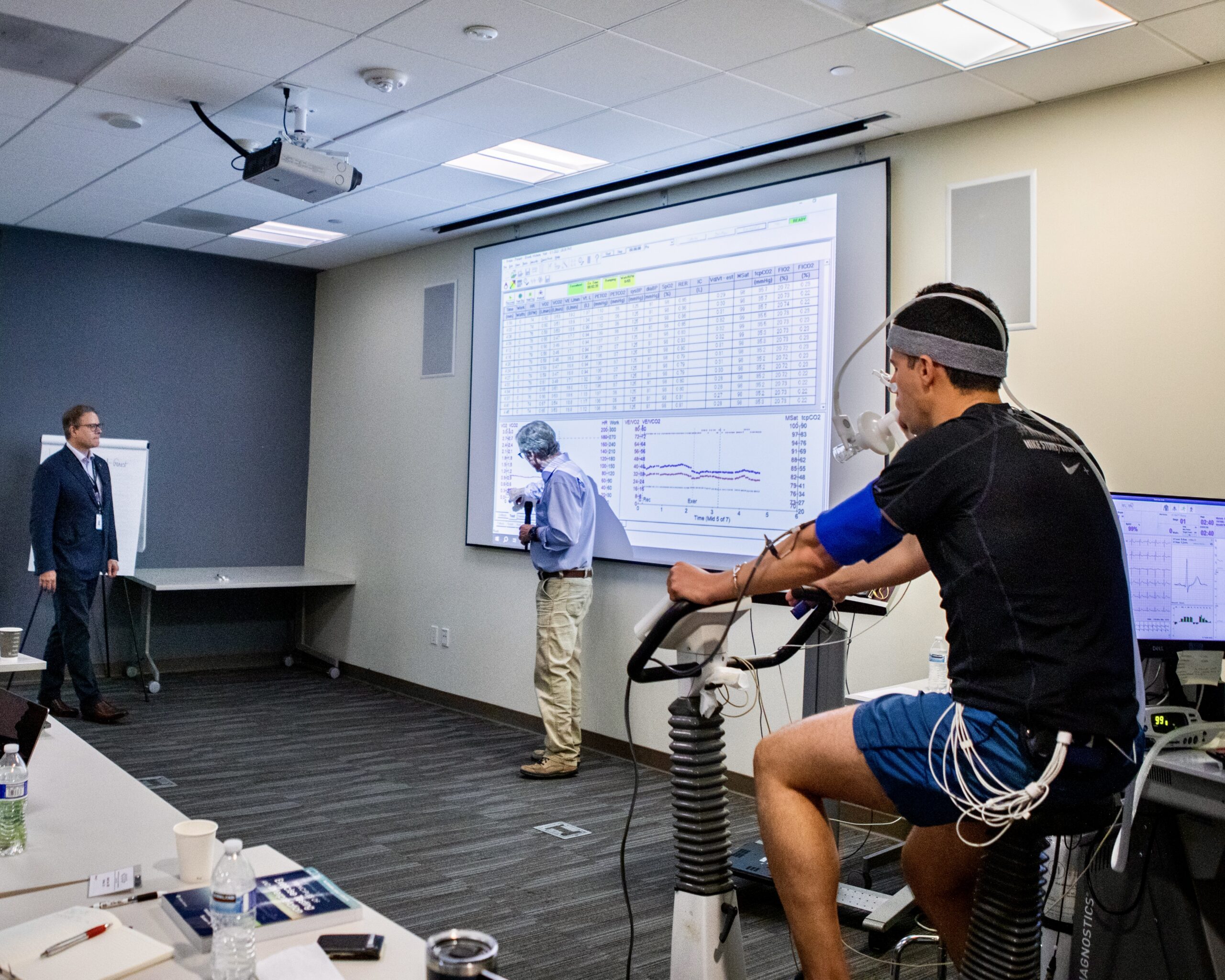
Known as Exercise Medicine, this emerging field of diagnostics and therapeutics recognizes physical activity and exercise prescription as a powerful therapeutic intervention supported by decades of scientific evidence. Research has shown that appropriately prescribed exercise can improve cardiovascular health, help manage diabetes, reduce the impact of chronic lung disease, support cancer recovery, promote healthy aging, and improve overall physical and mental well-being.
Translating that science into everyday clinical practice requires more than just encouraging patients to “exercise more.” It requires clinicians who understand exercise physiology, know how to measure a patient’s response to physical activity, and can develop personalized exercise prescriptions, just as they would prescribe a medication.
The Lundquist Institute is helping lead that transformation.
Under the leadership of Kathy Sietsema, MD, and William Stringer, MD, The Lundquist Institute has become a national leader in advancing Exercise Medicine, Diagnostics and Therapeutics through clinical care, research, education, and scientific leadership. Dr. Sietsema serves as the inaugural president-elect of the newly formed Academy of Exercise Medicine, a national organization bringing together physicians and scientists dedicated to establishing Exercise Medicine as a recognized medical discipline.
“Our goals are moving exercise beyond a general recommendation and toward a personalized medical intervention grounded in science,” said Dr. Sietsema. “For this, the medical community needs clinicians who have expertise in both the comprehensive assessment of exercise function and in formulating exercise prescription as an integral part of healthcare.”
Over the coming weeks, we’ll explore how The Lundquist Institute is helping shape this emerging field, from launching one of the nation’s first physician fellowships dedicated to Exercise Medicine to leading international scientific efforts that are defining the future of exercise physiology.