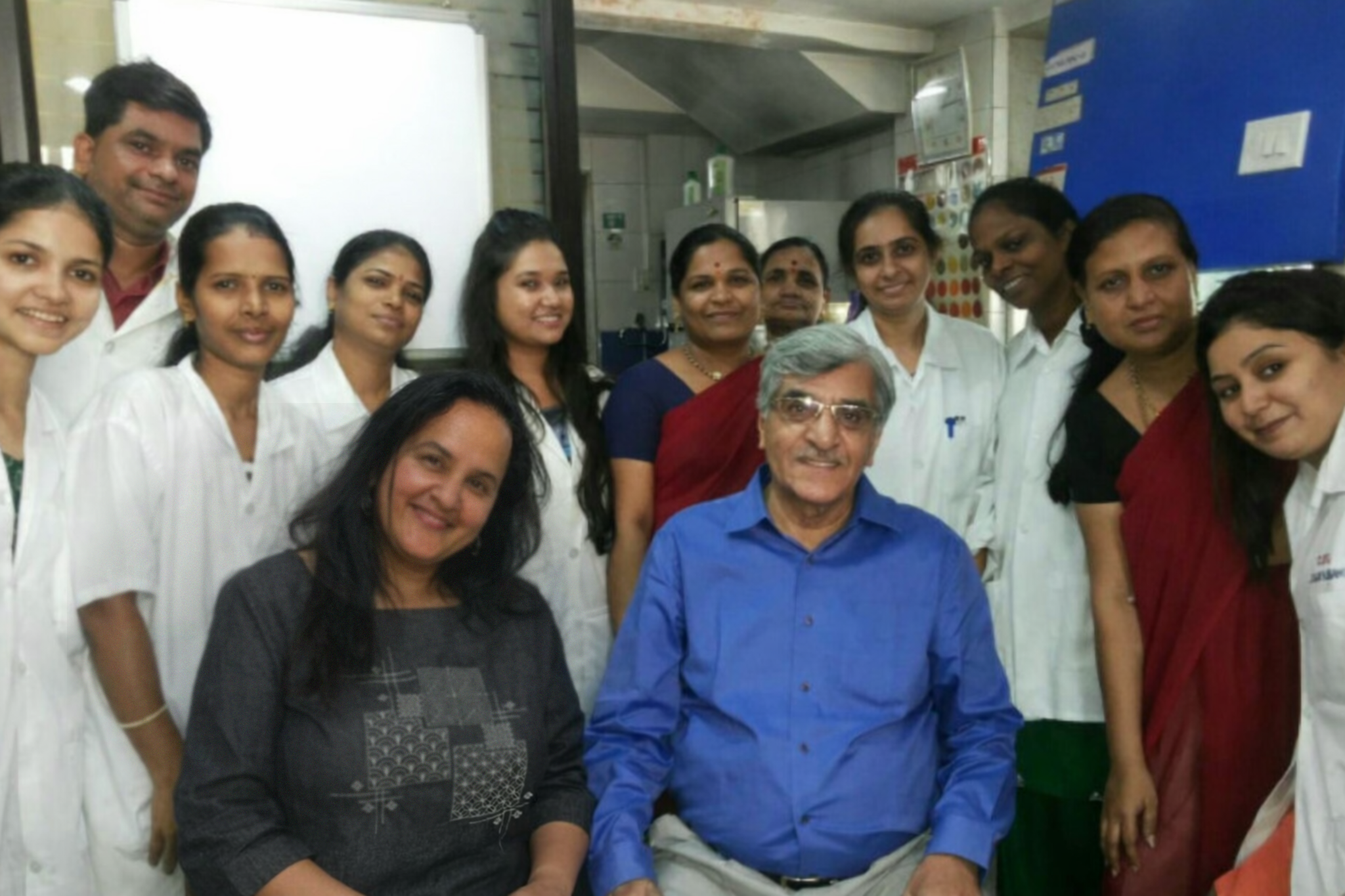
For Priya Uppuluri, PhD, science was never something distant. Growing up in Mumbai, she saw firsthand what it meant when a diagnosis was right, when treatment moved faster, when patients and families finally had answers. Long before she became an investigator at The Lundquist Institute, she understood that science could do more than explain disease. It could ease suffering.
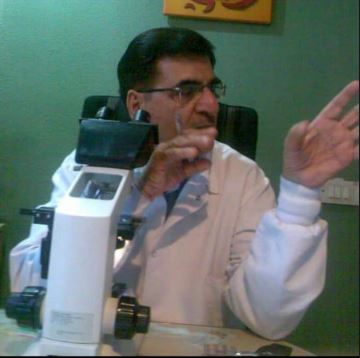
Much of Dr. Uppuluri’s childhood unfolded in and around the nationally accredited diagnostic microbiology laboratory directed by her father, Autar K. Miskeen, PhD—one of the first of its kind in the country. At the dinner table, conversations with her father were about pathogens, patients, and care. She learned plenty about microbiology there, but what stayed with her most was the sense of responsibility behind it. The work mattered because people were counting on it—a laboratory ethos grounded in rigorous, high-quality standards for every assay and result.
That early immersion shaped her quickly. By the time she was in college, microbiology felt second nature. She often found herself helping classmates in science courses, and at times even professors would consult her. But her interest was never just academic. In India, where fungal skin infections are common and often mistreated, she had already seen what happens when the right expertise isn’t available. She knew that getting the answer right could change everything.
Choosing the road less travelled
Still, being good at science and choosing a life in science are not always the same thing.
After college, Dr. Uppuluri found herself at a crossroads. In her world, many women her age were expected to marry and stay close to home. She wanted something else. “My mother wanted me to get married, but I didn’t want to,” she said plainly. What she wanted was clear: more training, more questions to chase, and a life she could build for herself.
So, in her early twenties, she left Mumbai for Lubbock, Texas, where she began her PhD in Medical Microbiology at Texas Tech University Health Sciences Center. It was a bold decision, and not a common one for women in India at the time. But it became one of the most important choices of her life.
“In the U.S., the teaching methodology is very different,” Dr. Uppuluri said. “In India, it’s mostly rote learning and regurgitation. But here, to do well, you must harness other abilities such as critical thinking, independent inquiry, and the confidence to question assumptions, and I really like that because you use different skill sets to learn and succeed.”
That shift mattered. It challenged her, but it also opened something up in her. She was no longer just absorbing information; she was being asked to question it, test it, build on it. In many ways, that experience sharpened the scientific voice that would become her own. She later completed postdoctoral training at Duke University and the University of Texas at San Antonio, deepening her expertise in fungal pathogenesis and host-pathogen interactions.
Returning home with gifts of hope and healing
One of the most rewarding parts of Dr. Uppuluri’s story came when she returned to Mumbai after her postdoctoral research. She went back with new tools, new training, and a desire to make that knowledge useful.
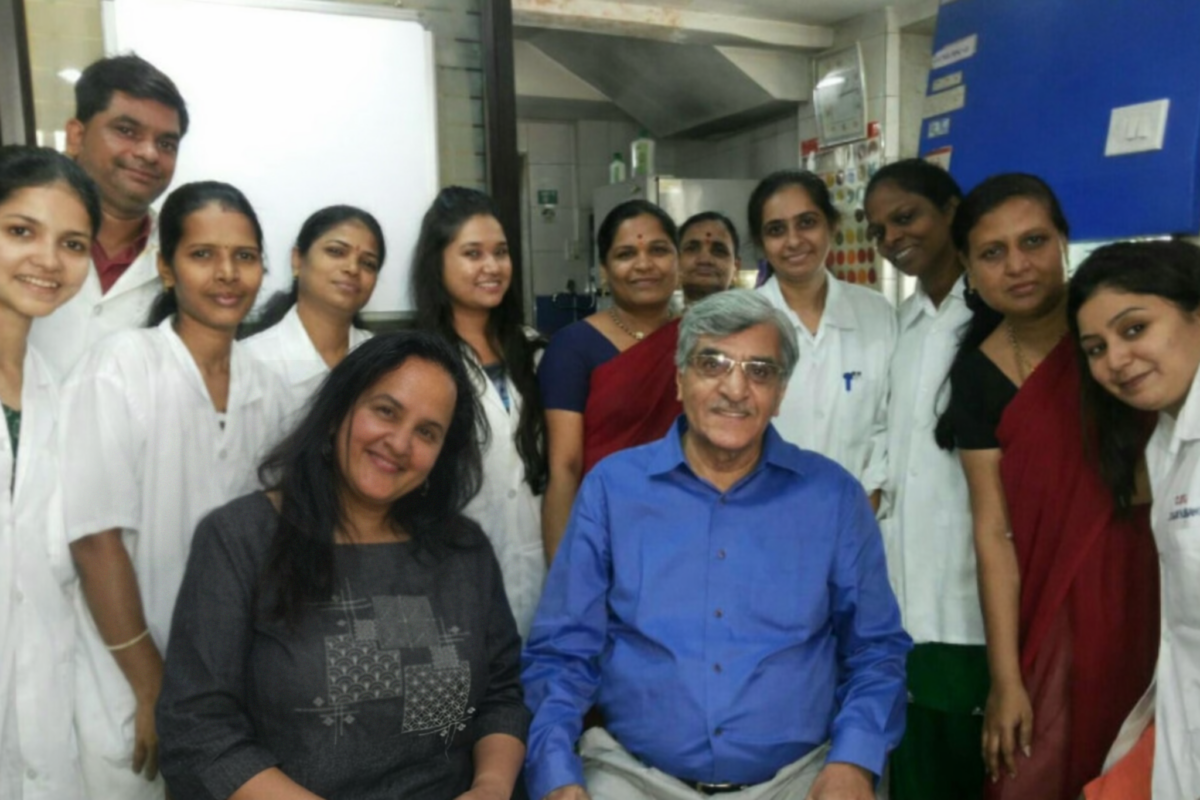
In her father’s laboratory, she implemented rapid, lower-cost testing for multidrug-resistant and extensively drug-resistant tuberculosis. She also established standardized culture and anti-fungal susceptibility testing for dermatophytic infections, bringing more rigorous, reproducible methods to a region where ringworm is common, and resistance is a growing problem. Furthermore, building on an all-women workforce, she provided training and mentorship that advanced technical capacity and reinforced a supportive, inclusive scientific environment.
That moment says a lot about who she is. Her success was never going to be measured only by where she trained or what she published. It was also about what she could give back and put into practice for her community, her people.
“That period felt like coming full circle,” Dr. Uppuluri said. “To give back to my father’s laboratory that first shaped me, and to serve my country through science was deeply meaningful.”
The work she continues to make her own
Since joining The Lundquist Institute in November 2014, Dr. Uppuluri has continued building a research program centered on biofilm-associated infections, especially those caused by Candida albicans. Her lab studies how fungi attach to catheters and other medical devices, how they adapt inside the body, and how they resist treatment once they become established.
It is complex work, but the motivation behind it feels simple and deeply consistent with the life she has built: understand the problem clearly and move that understanding toward something that helps.
Her research has helped open new questions about how the immune system protects mucosal surfaces from fungal infections, pointing toward new ways to think about treatment. And even now, after years of training and discovery, her goal remains grounded in impact. As she put it, “My goal is to turn molecular insights into meaningful therapies.”
Dr. Uppuluri’s career is a result of her own decisions, her own risks, and her own belief that science should stay connected to people. That is what makes Dr. Uppuluri compelling. Not just the success she has achieved, but the way she has achieved it—with quiet resolve, a clear sense of purpose, and a commitment to using science in service of others.