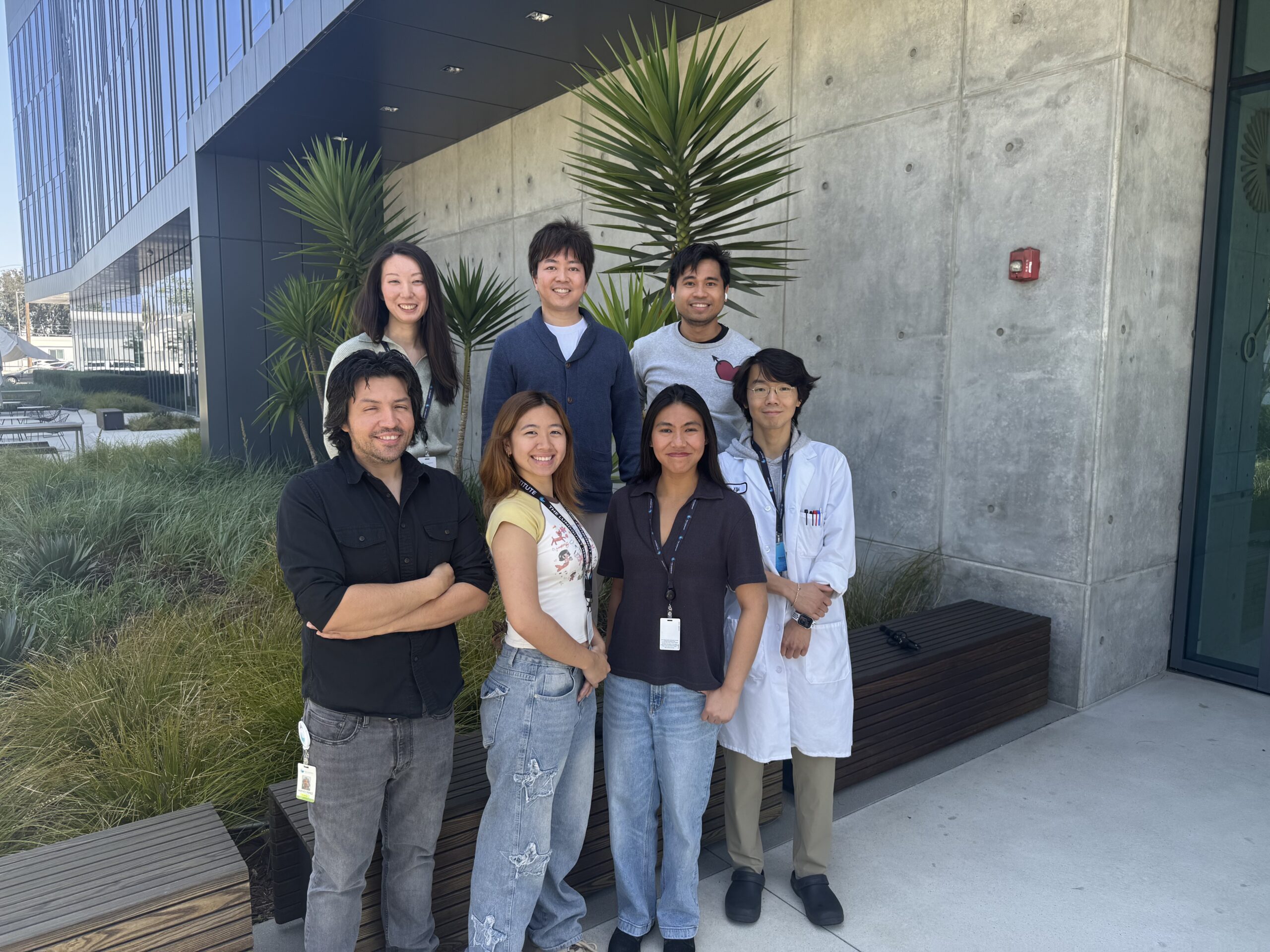
Eiji Yoshihara, PhD, an investigator at The Lundquist Institute, has been awarded a two-year, $287,500 grant from the Thomas J. Beatson, Jr. Foundation to investigate how perinuclear molecular mechanisms regulate epigenetic states and gene expression during pancreatic β cell expansion. The Yoshihara laboratory’s study explores a fundamental concept that may broadly inform how cell growth and regeneration capacity are controlled across multiple biological systems. Dr. Yoshihara and his team recently identified a regulatory mechanism operating at the boundary of the cell nucleus, where it coordinates cell division with gene activity.
This pathway functions as a “license” that permits β cells to enter the cell cycle providing a potential explanation for why these cells are typically resistant to proliferation and why previous attempts to induce their expansion have been largely unsuccessful. Building on this discovery, the team aims to translate these findings into a therapeutic strategy. “We will test whether combining existing pharmacological approaches can transiently activate this growth-permissive pathway, allowing residual β cells to expand while preserving their insulin-producing function to restore glycemia” said Dr. Yoshihara. “If successful, this could potentially enable a pharmacological strategy aimed at restoring endogenous β cell mass and glycemic control in diabetes.”
Diabetes is a chronic disease characterized by insufficient insulin production. More than 589 million people worldwide are currently affected, contributing to over 6.7 million deaths in 2021 due to complications including cardiovascular disease, kidney failure, and other conditions. According to the International Diabetes Federation, this number is projected to exceed 853 million by 2050. Type 1 diabetes, which often develops during childhood or adolescence, significantly reduces quality of life and increases mortality risk. Despite major advances, a standardized curative therapy remains unavailable. The Yoshihara Laboratory is working to address this unmet need through the development of regenerative and gene regulatory strategies aimed at restoring metabolic fitness and functional β cell capacity in diabetes.