In the early 1990s, Dr. Emil Kakkis developed a groundbreaking treatment for mucopolysaccharidosis type I (MPS I), a rare genetic lysosomal storage disorder that was once fatal. Dr. Kakkis’s enzyme replacement therapy, Aldurazyme®, transformed MPS I into a manageable condition for many children, and, importantly, gave families hope where there was none.
For children with MPS III, the challenges can be heartbreaking. They may experience chronic discomfort, behavioral changes, sleep difficulties, and a gradual loss of daily functioning. Many children also struggle to communicate what they are feeling, leaving families to search for answers while trying to ease pain they cannot always see or understand.
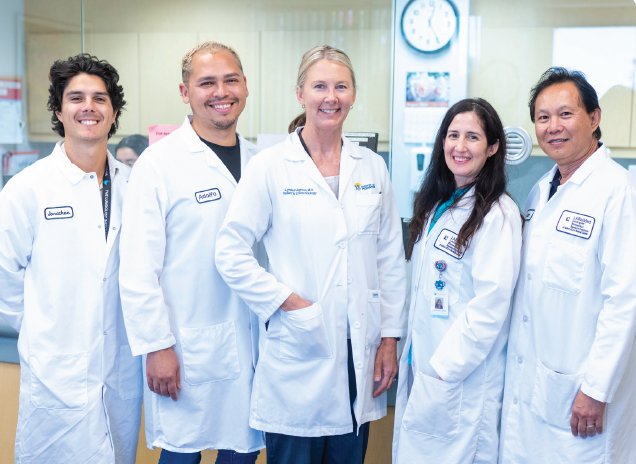
At The Lundquist Institute, Lynda Polgreen, MD, has dedicated her research to understanding why children with MPS continue to suffer even when lifesaving treatments exist for some forms of the disease. Her work has revealed that inflammation—the same process involved in conditions such as rheumatoid arthritis and Alzheimer’s disease—plays a central and under-recognized role in MPS. By targeting inflammation directly, Dr. Polgreen and her team are opening a new path forward for children who urgently need better options.
Declan, a young boy with Sanfilippo syndrome or MPS III, a rare and devastating genetic disease that affects the brain and body, participated in Dr. Polgreen’s clinical trial studying anakinra, an anti-inflammatory medication already used to treat arthritis. For his family, the trial represented more than a research study. It meant their child was being seen. It meant a physician-scientist was looking closely at the symptoms that affect his comfort, behavior, and daily life. It meant that research was not only focused on the possibility of a future cure, but also on improving the lived experience of children right now.
Dr. Polgreen’s groundbreaking study, published in Nature Medicine, showed that anakinra improved behavior and daily functioning in children with Sanfilippo syndrome. For families facing a disease with no approved therapy, even small improvements can be life-changing.
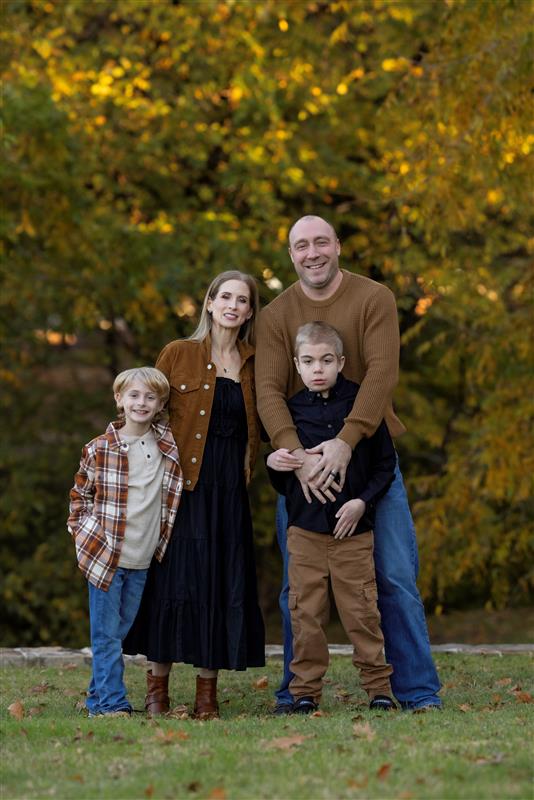
“While we all continue to hope for a cure, studies like this one with anakinra give us something just as vital. They give us the potential to improve the quality of life in small and meaningful ways,” said Declan’s parents, Katherine and John Sink. “For children who live with pain, discomfort, and challenges that they cannot always communicate, every effort to bring them peace and comfort matters. You help make that possible. Thank you for being a part of that hope,” they added.
This is what donor support makes possible at The Lundquist Institute.
It helps researchers like Dr. Polgreen ask new questions, pursue new treatments, and stand alongside families who have nowhere else to turn. It transforms scientific discovery into comfort, dignity, and possibility for children like Declan. With continued philanthropic support, TLI can advance research that brings hope to families facing rare diseases—and help make the next breakthrough possible.