
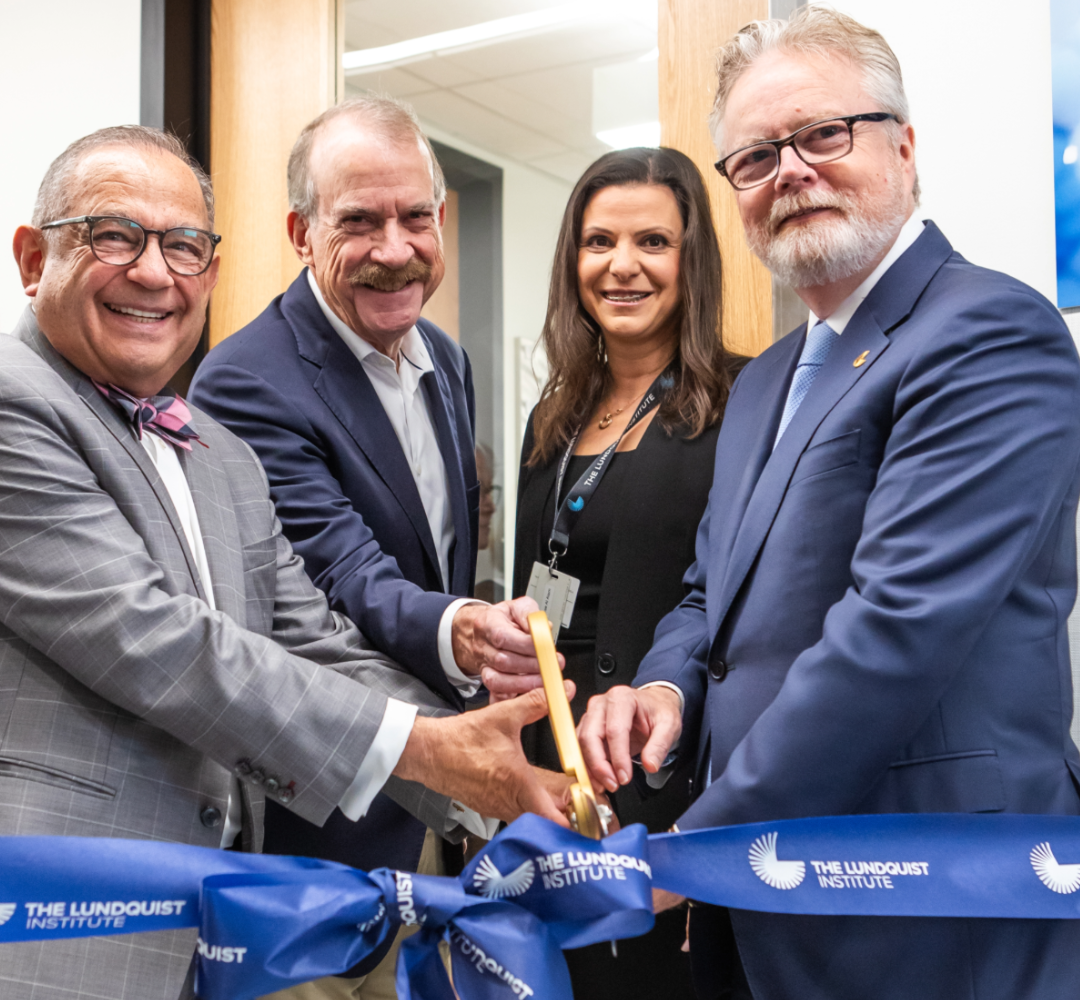
On May 26, 2026, The Lundquist Institute proudly celebrated the grand opening and official launch of the CIRM-funded Shared Resources Laboratory, SPRINT Core (Stem cell-based Partnership Resource for INvestigating Human Diseases and Training). The ribbon-cutting event marked the beginning of a bold new chapter in scientific innovation, collaboration, education, and equity in biomedical research.
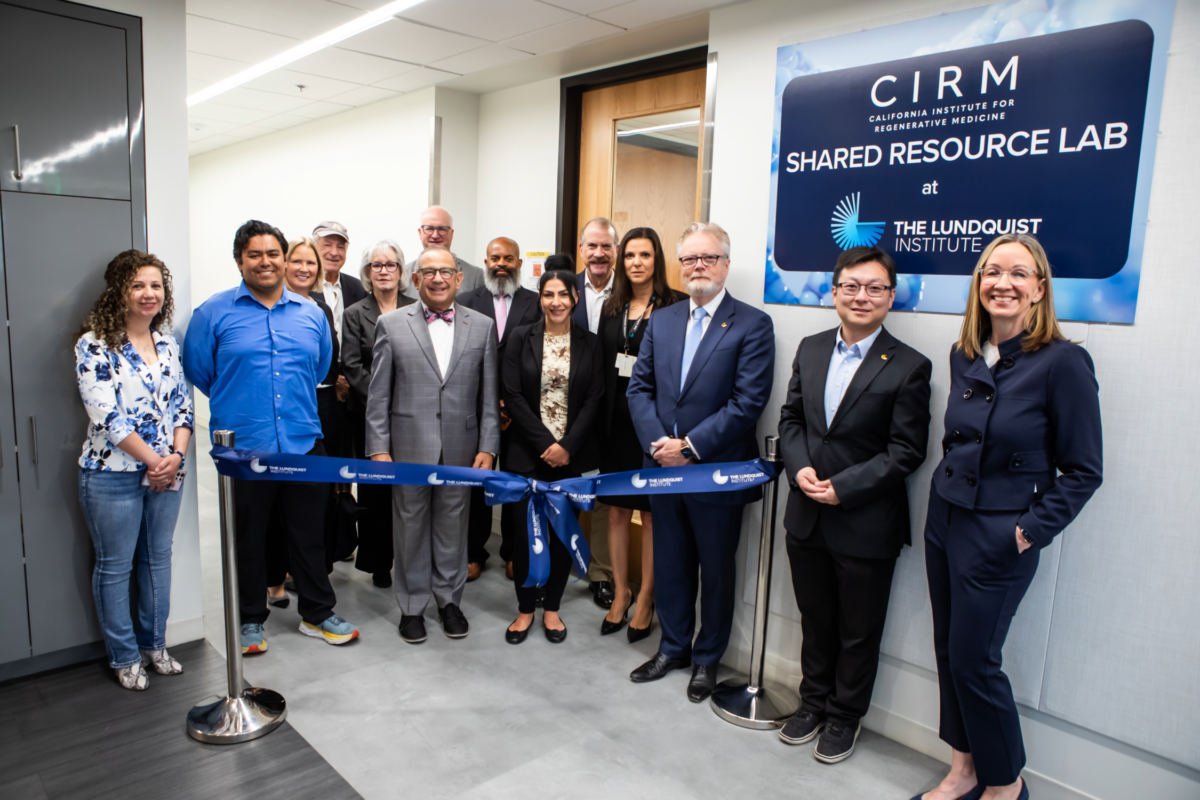
Made possible by a transformative $5.4 million award from the California Institute for Regenerative Medicine (CIRM), the SPRINT Core is a Shared Resources Laboratory (SRL) that will enable our investigators to use stem cells to model human disease and extend its reach to neighboring underserved and marginalized communities, while broadening training in these methods to researchers and students at TLI and neighboring institutions.
We were honored to welcome Melanie Lundquist, representatives from CIRM — including President and CEO Jonathan Thomas, PhD, JD, and Board Chair Vito Imbasciani, MD, PhD — TLI Board Chair Joe Berenato and distinguished guests, scientific collaborators, trainees, and community leaders to celebrate this milestone alongside our investigators, institutional and industry partners.
This achievement would not have been possible without the extraordinary leadership of TLI Investigators Denise Al Alam, PhD, Michelina Iacovino, PhD, Soula Danopoulos, PhD, and Senior Scientist Andrew Salas, whose combined vision and dedication helped bring the SPRINT Core to life. Their work, alongside the commitment of countless investigators, scientific staff, administrators, and partners, reflects the collaborative spirit that continues to drive innovation at TLI.
The launch of the SPRINT Core comes at an exciting moment in biomedical science. Today, researchers can harness a powerful convergence of technologies, including human pluripotent stem cell platforms, organoid and tissue engineering methodologies, single-cell genomics, advanced imaging technologies, CRISPR-based gene editing, and AI-enabled computational biology to transform how we understand and treat disease. The ability to model diseases using brain, lung, blood, bone, intestinal, and pancreatic cell systems opens extraordinary opportunities for discovery and therapeutic advancement.
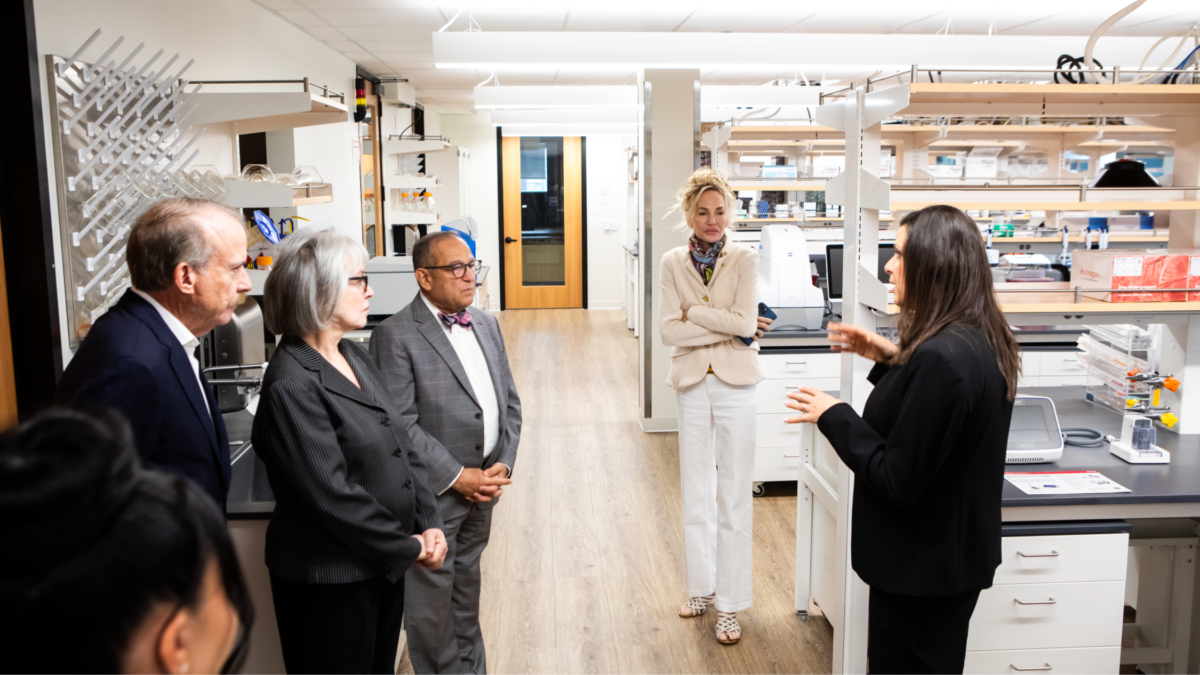
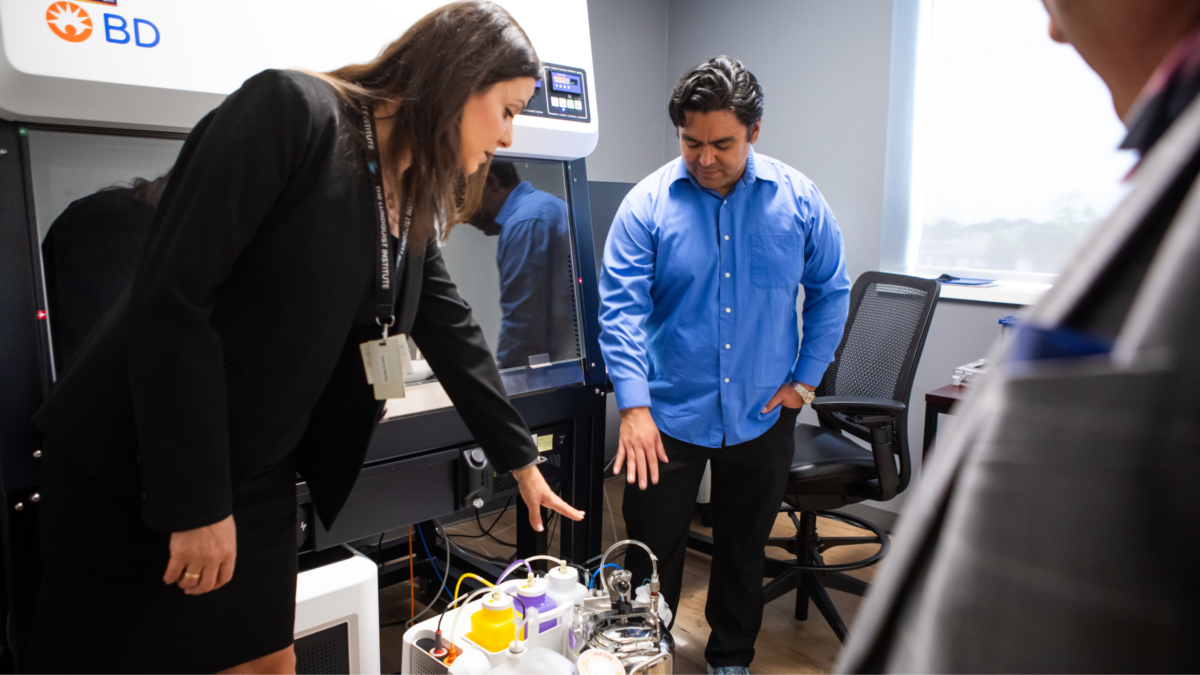
Together, these technologies allow scientists to move beyond traditional models and create patient-specific cellular systems that more accurately reflect human biology and disease progression across diverse patient populations. Researchers can now study diseases with greater precision, uncover therapeutic targets faster, better predict treatment responses, and accelerate the development of regenerative and precision medicine approaches across many fields of medicine.
Scientific innovation is strongest when it brings together diverse perspectives, experiences, and talent. By centralizing expertise, instrumentation, training, and technical support, shared resources laboratories empower more investigators to pursue bold scientific questions. Not every institution or research team can independently build these sophisticated platforms. The SPRINT Core at TLI helps level the playing field, giving more scientists access to the tools and support needed to advance groundbreaking research.
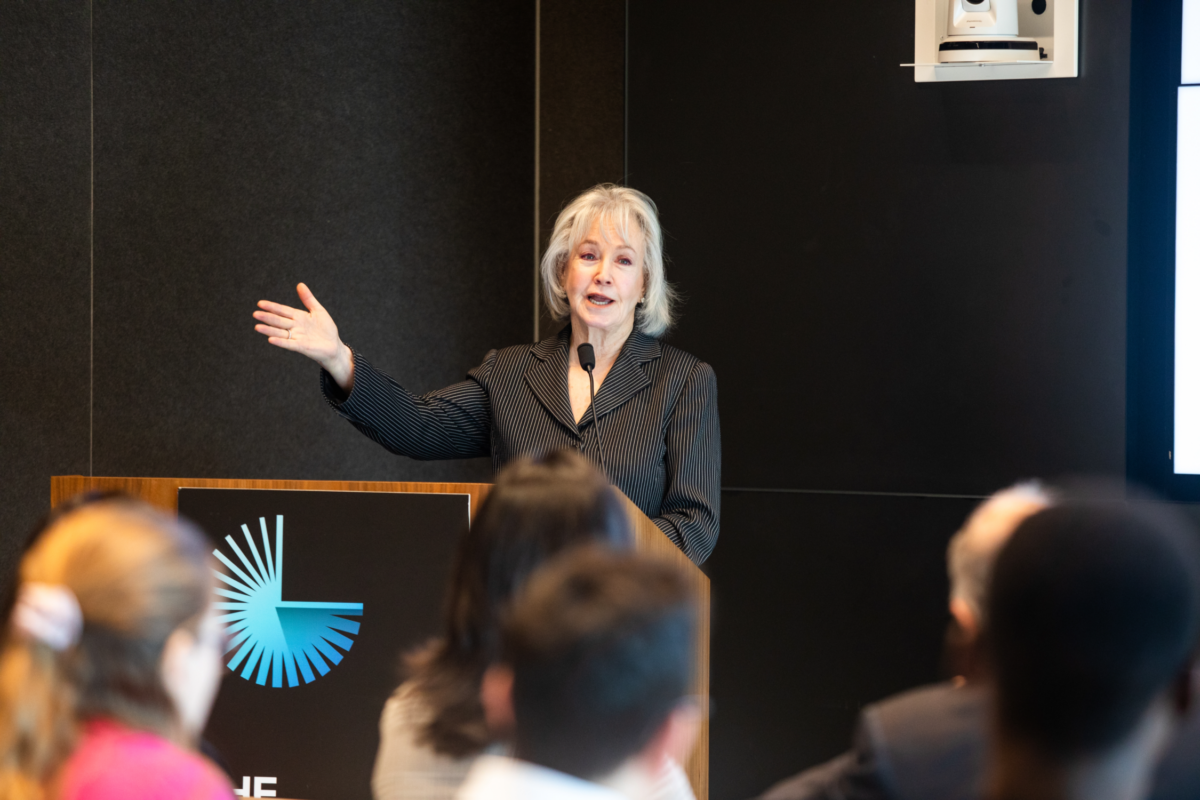

One of the most meaningful aspects of this initiative is its commitment to partnership, training, and inclusion. Through collaborations with Charles R. Drew University of Medicine and Science, California State University, Dominguez Hills, and California State University, Los Angeles, the SPRINT Core at TLI will expand opportunities for students, trainees, and investigators from historically underserved and underrepresented communities to engage directly with advanced stem cell technologies and translational research.
The impact of this work extends far beyond the walls of the laboratory itself. For many communities throughout South Los Angeles and the South Bay, access to advanced stem cell research infrastructure has historically been limited. The opening of the SRL helps change that by creating stronger connections among discovery, translation, institutions, and communities, and ultimately between scientific opportunity and patient impact.
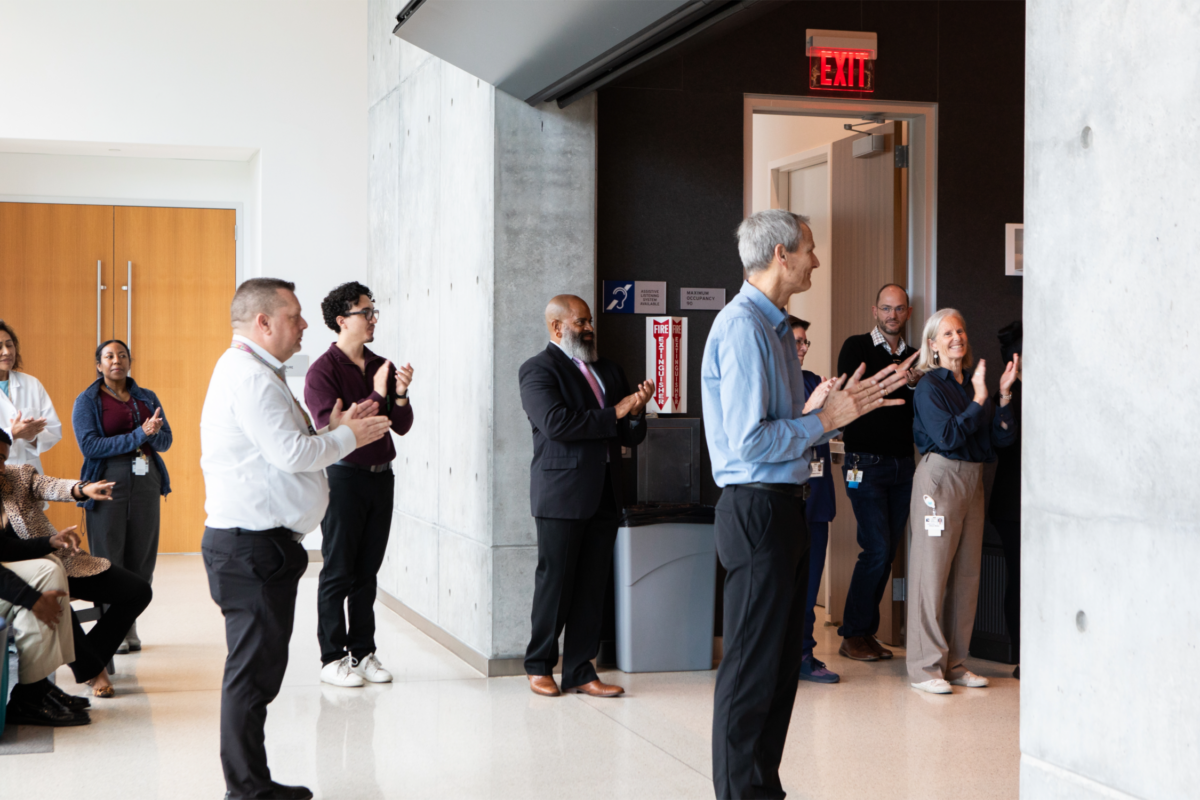

We are deeply grateful to every investigator, staff member, institutional leader, community partner, and supporter who helped make the SPRINT Core a reality. Together, we look forward to the discoveries, collaborations, and lives that will be improved through the work that begins here at The Lundquist Institute.