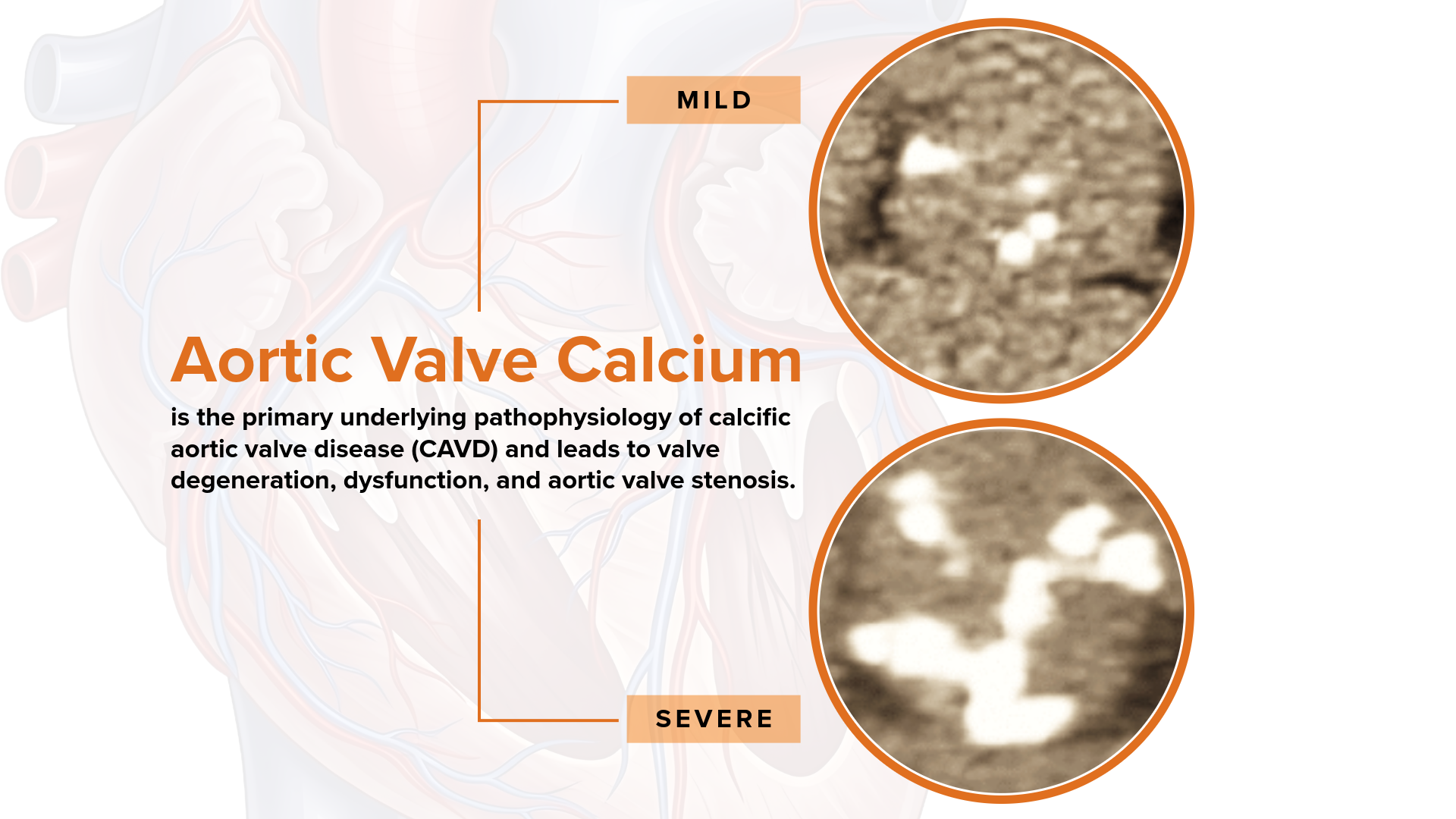
Researchers have uncovered important genetic factors that may contribute to aortic valve calcification, a condition in which calcium builds up on the heart’s aortic valve and can eventually lead to aortic stenosis—a serious disease that restricts blood flow from the heart. Among them are Xiuqing Guo, PhD, Kent D. Taylor, PhD, Matthew Budoff, MD, and Jerome I. Rotter, MD, investigators at The Lundquist Institute for Biomedical Innovation, as well as Jie Yao, MS, senior biostatistician working under Dr. Guo’s leadership.
Their recent study published in the Journal of the American Heart Association reveals that individuals with a genetic predisposition to elevated blood pressure, high LDL (also known as “bad” cholesterol), increased lipoprotein(a), and coronary artery disease were more likely to develop calcium buildup on the aortic valve. These findings provide new insight into the biological pathways that may drive the development of valve disease and help identify potential targets for future therapies.
“This research moves us beyond simply observing who develops aortic valve disease to understanding why it develops,” said Dr. Rotter, senior author of the study. In collaboration with Dr. Seamus Whelton of Johns Hopkins, “By uncovering genetic contributors to valve calcification, we are laying the groundwork for future strategies that could help prevent or delay a condition that currently affects millions of people and often requires valve replacement surgery.”
While the science advances our understanding of cardiovascular disease, its significance extends beyond the laboratory. Aortic stenosis affects millions of people worldwide and is one of the most common heart valve disorders among older adults. As the condition progresses, patients may experience fatigue, shortness of breath, chest pain, and, in severe cases, heart failure. Currently, there are no medications proven to stop or reverse the calcification process, leaving valve replacement as the primary treatment option for advanced disease.
By identifying genetic factors associated with early valve calcification, this research brings scientists one step closer to understanding who may be at greater risk and why the disease develops. The findings also underscore the importance of managing cardiovascular risk factors such as blood pressure and cholesterol, which could play a role in protecting long-term heart valve health.
Ultimately, studies like this make way for more personalized approaches to prevention, earlier detection, and the development of treatments that could one day slow or prevent valve disease before symptoms appear. For patients and families affected by cardiovascular disease, this represents an important step toward improving outcomes and quality of life.
To read the publication and learn more about the study, visit https://www.ahajournals.org/doi/10.1161/JAHA.124.040064.