Editor’s Note: This is Part 3 of our three-part series exploring how The Lundquist Institute is helping shape the emerging field of Exercise Medicine. New to the series? Read Part 1: Why Exercise Is Becoming a Precision Prescription and Part 2: Training the Physicians Who Will Prescribe It
Part 3 of 3
Training physicians is only part of building a new field. Equally important is advancing the scientific evidence that guides clinical care.
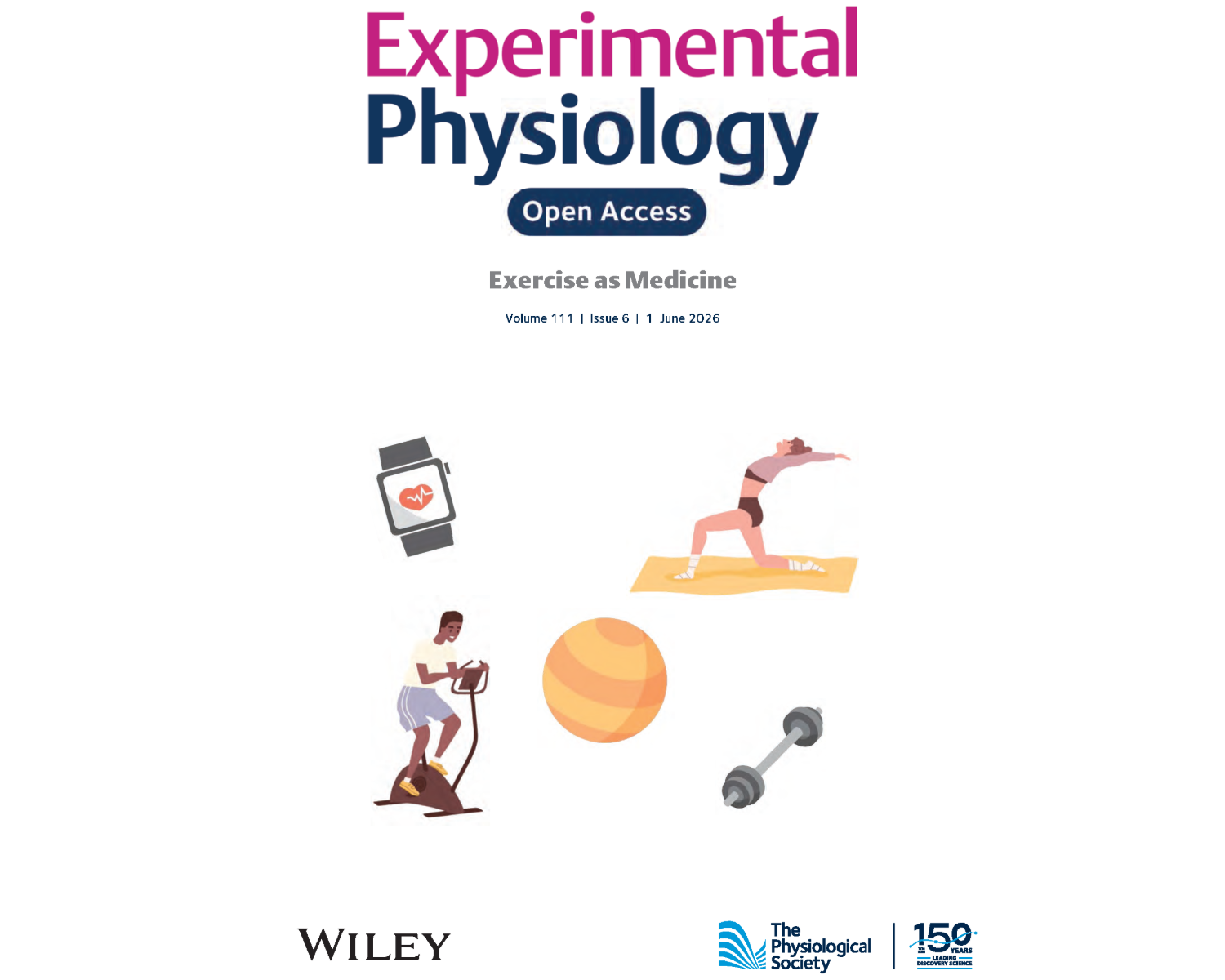
Leading scientific evidence was recently showcased in the June 2026 special issue of Experimental Physiology dedicated to Exercise as Medicine, which brought together researchers from around the world to examine the science driving this rapidly growing discipline.
Harry Rossiter, PhD, Executive Director of The Lundquist Institute’s Systems Medicine & Precision Prevention Innovation Hub, co-edited the special issue. It features contributions that explore how exercise influences health across a broad range of conditions while highlighting emerging opportunities for research and patient care.
The issue includes two editorials that help define the emerging discipline of Exercise as Medicine. In the lead editorial introducing the issue, Dr. Rossiter and his co-authors distinguish Exercise as Medicine from broader public health initiatives, describing it as a transdisciplinary scientific framework in which exercise is studied and applied as a therapeutic intervention—considering indications, dosage, effectiveness, biological mechanisms, and safety—for people living with chronic disease.
A second editorial, also co-authored by Dr. Rossiter, addresses the evolving language and concepts that define the field, proposing updated definitions for terms such as exercise, physical activity, physical fitness, and exercise intensity. By establishing a common scientific vocabulary, the authors aim to support the operational aspects of translating exercise science into evidence-based clinical care.
The issue also includes a comprehensive review led by Asghar Abbasi, PhD, and other colleagues at The Lundquist Institute that demonstrates how pulmonary rehabilitation and exercise training influence the immune system in people with chronic obstructive pulmonary disease (COPD).
Together, these publications represent more than a collection of research articles. They reflect a growing consensus that exercise should be viewed not simply as a healthy behavior, but as a therapeutic intervention that can be studied, prescribed, and optimized using the same scientific rigor applied to medications and other medical treatments.
“Exercise Medicine is no longer a concept of the future,” said Dr. Rossiter. “It is becoming an evidence-based discipline that will change how we prevent and treat disease.”
The Lundquist Institute is advancing the emerging Exercise Medicine discipline at every level, translating research and training physicians to precisely prescribe exercise and help individuals live healthier lives. The Institute’s Exercise Medicine Fellowship is made through the generous philanthropic support of Anna Binkley and Charles Mitchell, whose commitment to advancing human health through the power of exercise is helping train the next generation of Exercise Medicine physicians.
Advances like these don’t happen by chance. They are made possible through the generosity of donors and partners who believe in the power of biomedical innovation. By supporting The Lundquist Institute, you too can invest in the future of Exercise Medicine — accelerating discoveries, educating the next generation of healthcare leaders, and bringing evidence-based innovations to patients in our community and around the world.