Our Focus
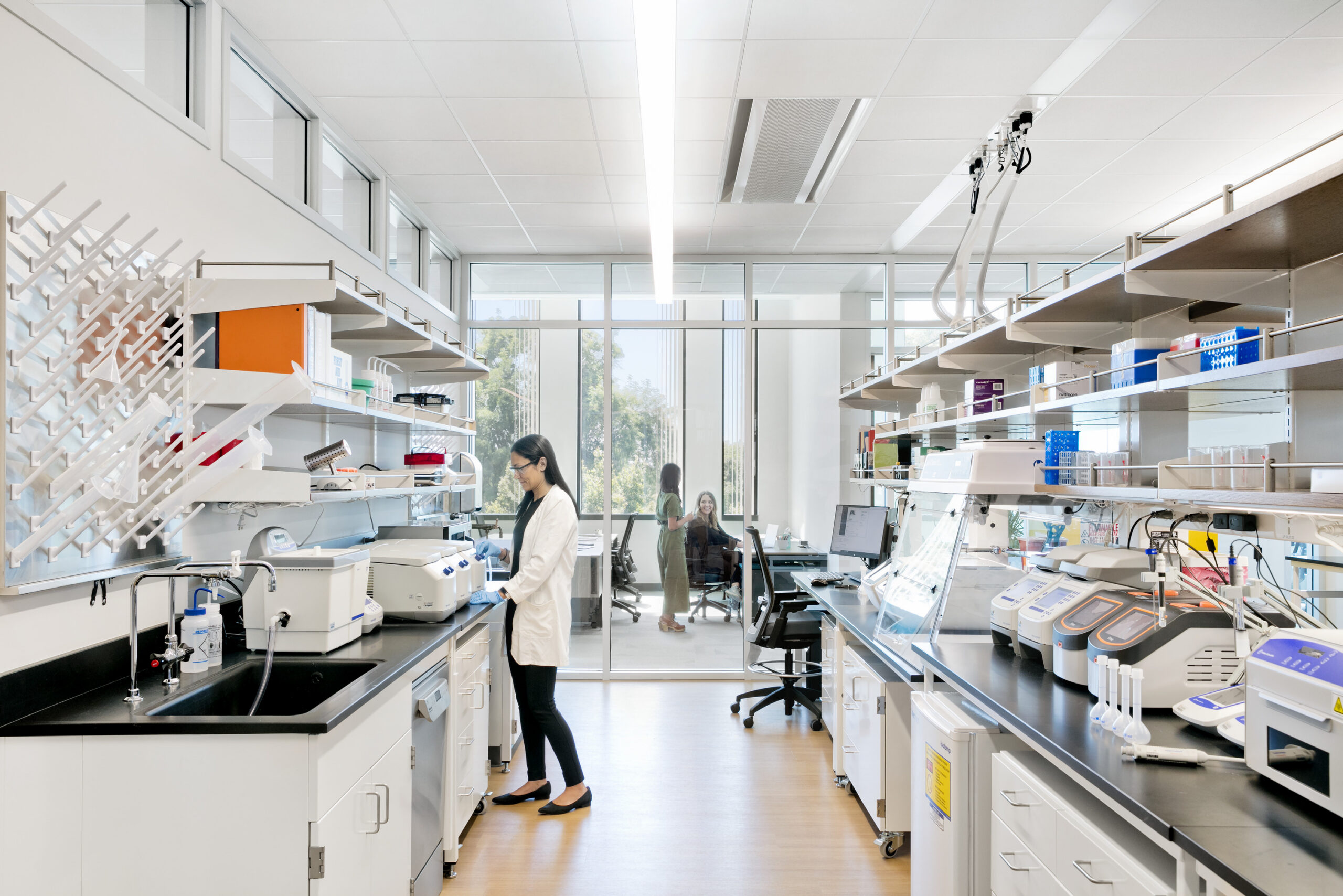
The Advanced Therapeutics & Biomedical Technologies Innovation Hub brings together The Lundquist Institute investigators to advance therapies, diagnostics, and biomedical technologies for diseases with major unmet needs. ATBT connects expertise in gene and cell therapy, regenerative medicine, genomics, biomarkers, AI-enabled diagnostics, clinical translation, and biomedical engineering to help promising discoveries move from early research toward patient impact. Rather than a single laboratory or program, our hub is a collaborative framework that helps investigators find partners, share technical expertise, build translational projects, and create stronger pathways from discovery to treatment.
Executive Directors
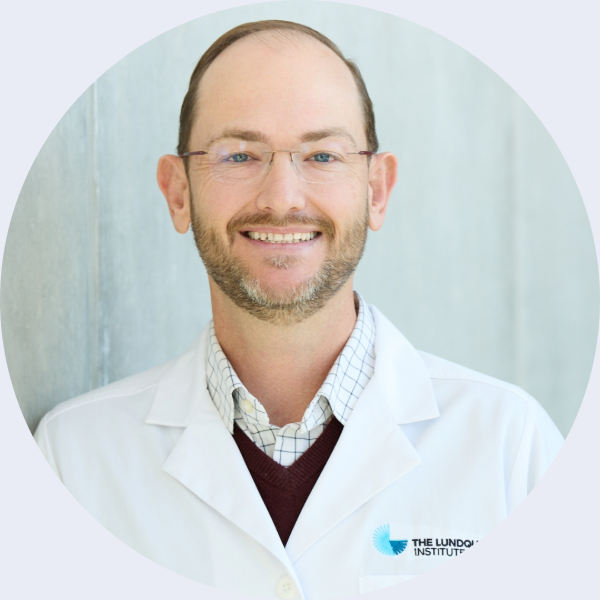
Paul Mathews, PhD

lynda polGreen, MD, MS
Why This Hub Exists
Many promising biomedical discoveries stall before they reach patients because the path from idea to therapy requires expertise across disease biology, technology development, preclinical testing, regulatory planning, clinical implementation, and partnership building. Our hub is designed to make those connections easier by bringing together investigators and resources across The Lundquist Institute.
placeholder
What We Do
Accelerate the Translation of Next Generation Therapies
We bridge the gap between laboratory discoveries and patient care by advancing promising treatments through preclinical and clinical development. We help move innovative therapies from concept to the clinic faster and more efficiently.
Biomarker Discovery and AI-enabled Diagnostics
We promote genomics, multi-omics, AI-enabled analysis, imaging, and biomarker approaches to improve disease detection, diagnosis, and personalized treatment decisions. By combining advanced data analysis with biomedical research, we uncover insights that lead to more precise and proactive care.
Innovate Medical Technologies
We develop and refine cutting-edge medical devices, digital health tools, and biomedical technologies that improve how diseases are diagnosed, treated, and monitored. We collaborate across disciplines to transform scientific ideas into practical healthcare solutions.
Engineer Regenerative Medicine Solutions
We design innovative approaches that harness stem cells, tissue engineering, and regenerative technologies to repair, replace, or restore damaged tissues and organs. Our goal is to develop therapies that help the body heal itself and improve long-term patient outcomes.
Areas of Impact
We support research across a broad range of diseases and health challenges, including:
RARE AND GENETIC DISEASES
Ataxia-telangiectasia, Sanfilippo syndrome, mucopolysaccharidoses, achondroplasia, osteopetrosis, sickle cell disease, and other inherited disorders where new therapeutic strategies are urgently needed.
MATERNAL, CHILD, AND DEVELOPMENTAL HEALTH
Down syndrome, Trisomy 21-associated lung disease, neonatal airway disease, lung development, newborn screening, reproductive health, and conditions affecting children and families early in life.
NEUROLOGICAL DISEASE AND BRAIN HEALTH
Neurodevelopmental disorders, cerebellar disease, cognitive dysfunction, Alzheimer’s disease and related dementias, brain tumors, and technologies to better understand brain function and disease progression.
CANCER
Research focused on cancer diagnosis, disease monitoring, tumor biology, brain tumors, liquid biopsy approaches, clinical trials, and technologies that may improve treatment selection and patient outcomes.
GENOMICS, BIOMARKERS, AND MULTI-OMICS DISCOVERY
Population-scale genomics, proteomics, metabolomics, biomarker discovery, polygenic risk, molecular risk prediction, and AI-enabled analysis to better understand disease risk, progression, and treatment response.
Hub Researchers
Labs, Centers, and Programs
The Kesari Lab
Stem cell-based Partnership Resource for Investigating Human Diseases and Training (SPRINT) Core-CIRM Shared Resources Lab
Southern California Thyroid Cancer Consortium
Recent News and Accomplishments
Contact, Collaborate and Support
For researchers:
Collaborate with our investigators working in therapeutics, diagnostics, biomedical technologies, and translational research.
For donors or partners:
Philanthropic and industry partnerships can help accelerate promising discoveries toward patient impact.
For community members:
Learn how we’re working across disciplines to develop new approaches for diseases with unmet medical need.