Our Work
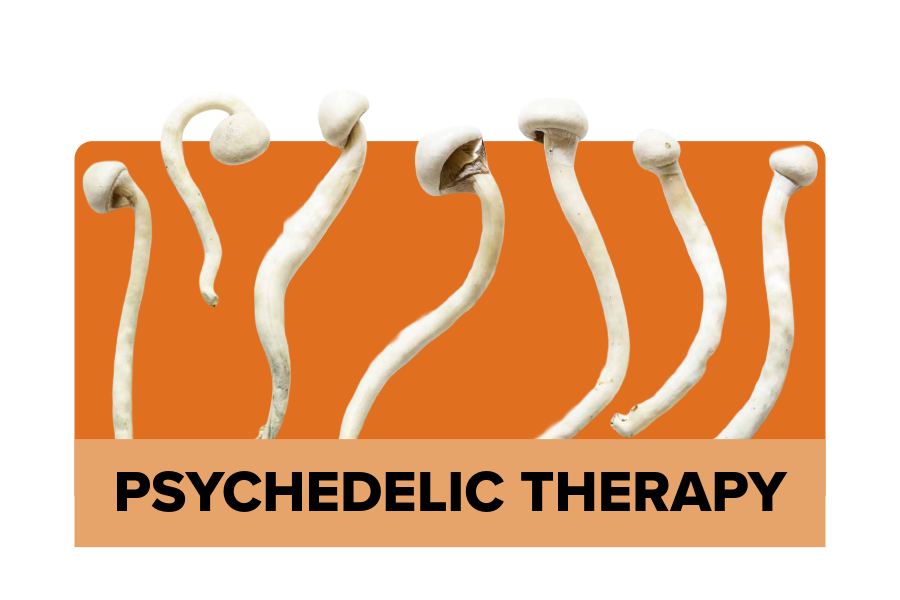


Psilocybin Therapy for Emotional Distress
Modern medicine has proven successful in treating many types of serious illness, but it often fails to address the trauma and psychological impacts of those with life-threatening conditions. Attention to the experience of patients facing death needs to become a standard component of palliative care.
Clinical trials investigating psychedelic substances are expanding. Pilot studies found cancer patients could better cope with their depression and anxiety after psilocybin therapy. These promising findings have prompted further research into how psilocybin, the active compound in “magic mushrooms”, can be used to alleviate emotional suffering and existential distress in people at the end of life.

Our Psilocybin Trial
Clinical Trial

Phase 2 clinical trial with 100 participants at five palliative care sites.
Palliative Care

For those with a life expectancy of less than two years.
Outcome Measurements

Assessments at one, two, and five weeks after medical therapy sessions.
Placebo Controlled

Participants receive either one dose of psilocybin or an active control, with optional psilocybin after placebo.
Therapeutic Support

Therapy focused on meaning and purpose is provided before, during, and after sessions.
Psychological Change

Change in demoralization and other psychological symptoms are measured after each session.
Our Site Locations

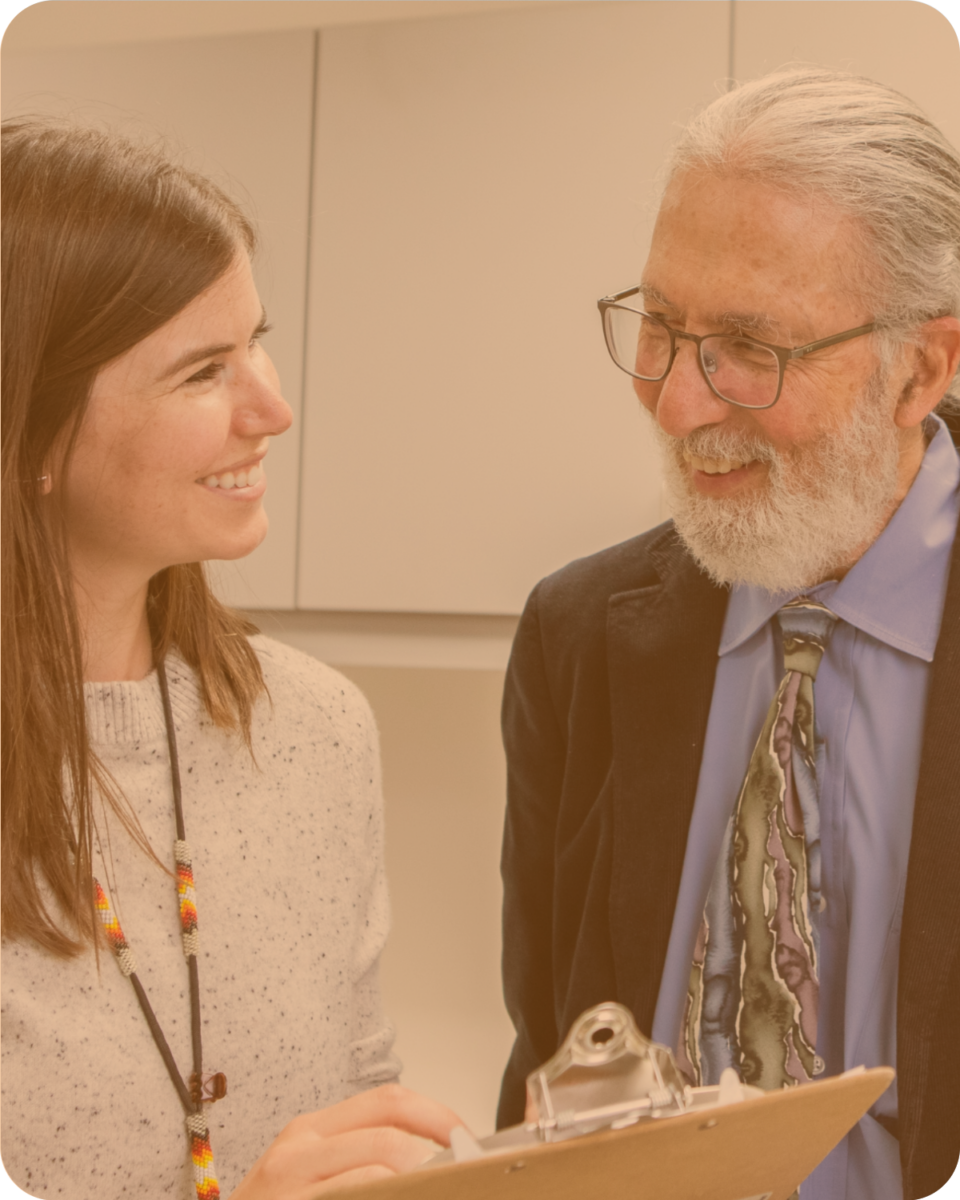
Key Research Questions
The trial builds on evidence from past studies but is designed to address key outstanding questions.
- Does psilocybin offer greater benefit over an active placebo for psychological well-being?
- Can psilocybin improve existential distress at the end of life?
- Are psilocybin dose adjustments needed in patients with serious medical conditions?
- Is psilocybin well tolerated in this population?
- How can we best train palliative care specialists to administer psilocybin therapy?
Interested in learning more about our study and enrollment process?
Our Dedicated Team
The research team includes experienced investigators with expertise in psychedelic clinical trials. These investigators have led several of the early studies of MDMA and psilocybin for mood disorders at UCLA, The Lundquist Institute, NYU, and UCSF.
Charles S. Grob, MD | Principal Investigator
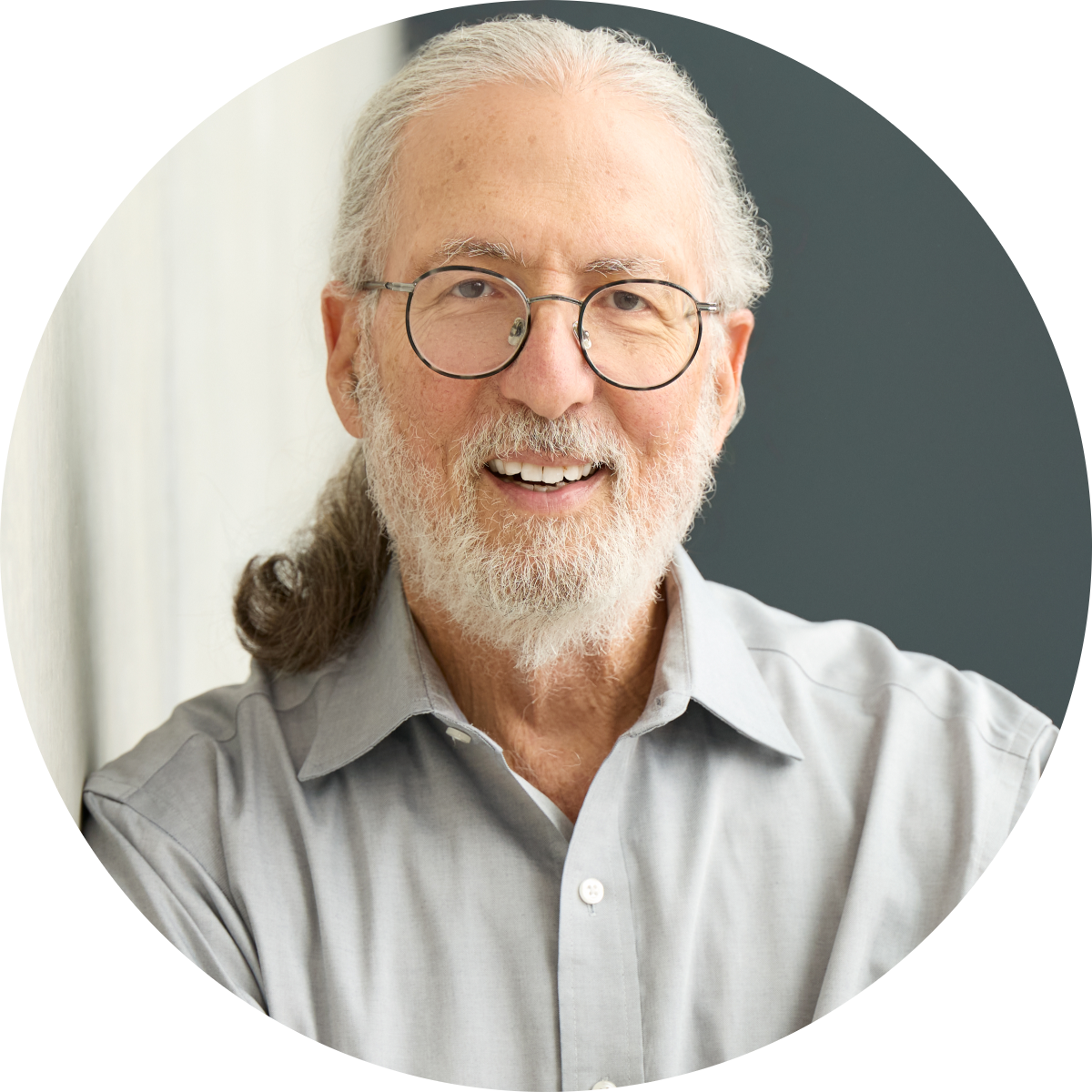
Charles S. Grob, MD is Professor of Psychiatry and Pediatrics at the UCLA School of Medicine and the Director of the Division of Child and Adolescent Psychiatry at the Harbor-UCLA Medical Center. He previously held faculty positions at the Johns Hopkins School of Medicine and the University of California at Irvine. He has conducted approved clinical research with psychedelics at the Lundquist Institute at Harbor-UCLA since the early 1990s. From 2004-2008 he was the Principal Investigator of the first study in several decades to examine the use of a psilocybin treatment model for patients with advanced-cancer anxiety. He has also conducted research into the range of effects of MDMA, in both normal volunteers and in a selected subject population of adult autistics with severe social anxiety. And, he has conducted a series of ayahuasca research studies in Brazil.
Over the last thirty-five years, Dr. Grob has published numerous articles and chapters on psychedelics in the medical and psychiatric literature and he is the editor of Hallucinogens: A Reader (Putnam/Tarcher, 2002), co-editor (with Roger Walsh) of Higher Wisdom: Eminent Elders Explore the Continuing Impact of Psychedelics (SUNY Press, 2005) and co-editor (with James Grigsby) of the recently published Handbook of Medical Hallucinogens (Guilford Press, 2021). He is a founding board member of the Heffter Research Institute.
Alicia Danforth, PhD | Investigator
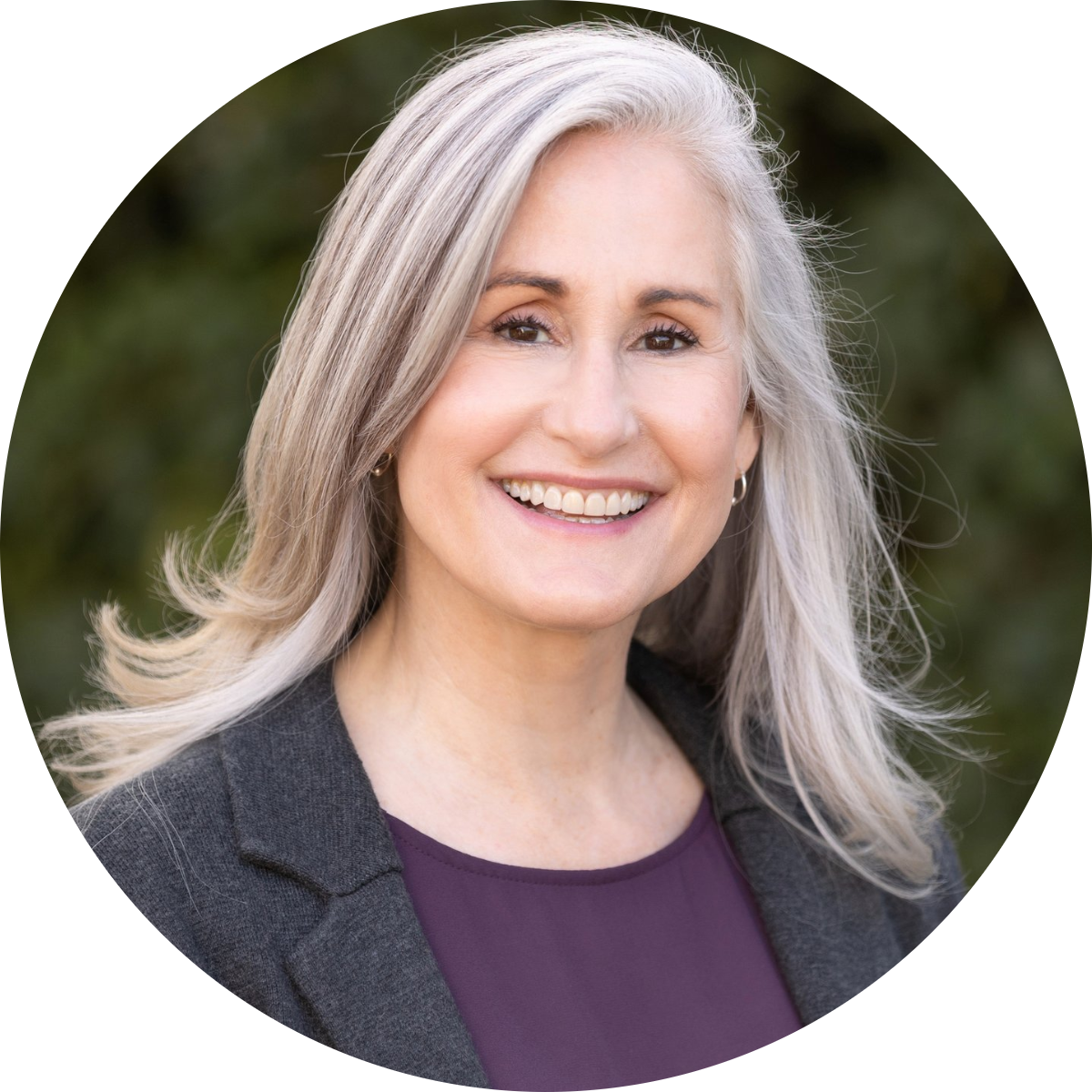
Alicia Danforth, PhD is a licensed clinical psychologist and researcher. She began her work in clinical research with psychedelic medicines in 2004 as a coordinator and co-facilitator on the pilot study of psilocybin treatment for existential anxiety related to advanced cancer at The Lundquist Institute. She was an investigator for the first study of MDMA-assisted therapy for the treatment of social anxiety in autistic adults a decade later. Most recently, she was a lead clinician for a pilot study of psilocybin-assisted group therapy for psychological distress and demoralization in long-term survivors of HIV at UC San Francisco.
She received her doctorate in clinical psychology from the Institute of Transpersonal Psychology in Palo Alto in 2013, where she co-taught the first graduate-level course on theory, research, and clinical applications of psychedelics. She currently provides psychological services for autistic adults in private practice in hopes that someday she will be able to include psychedelic therapy options in legal settings outside of clinical trials.
Tony Bossis, PhD | Investigator
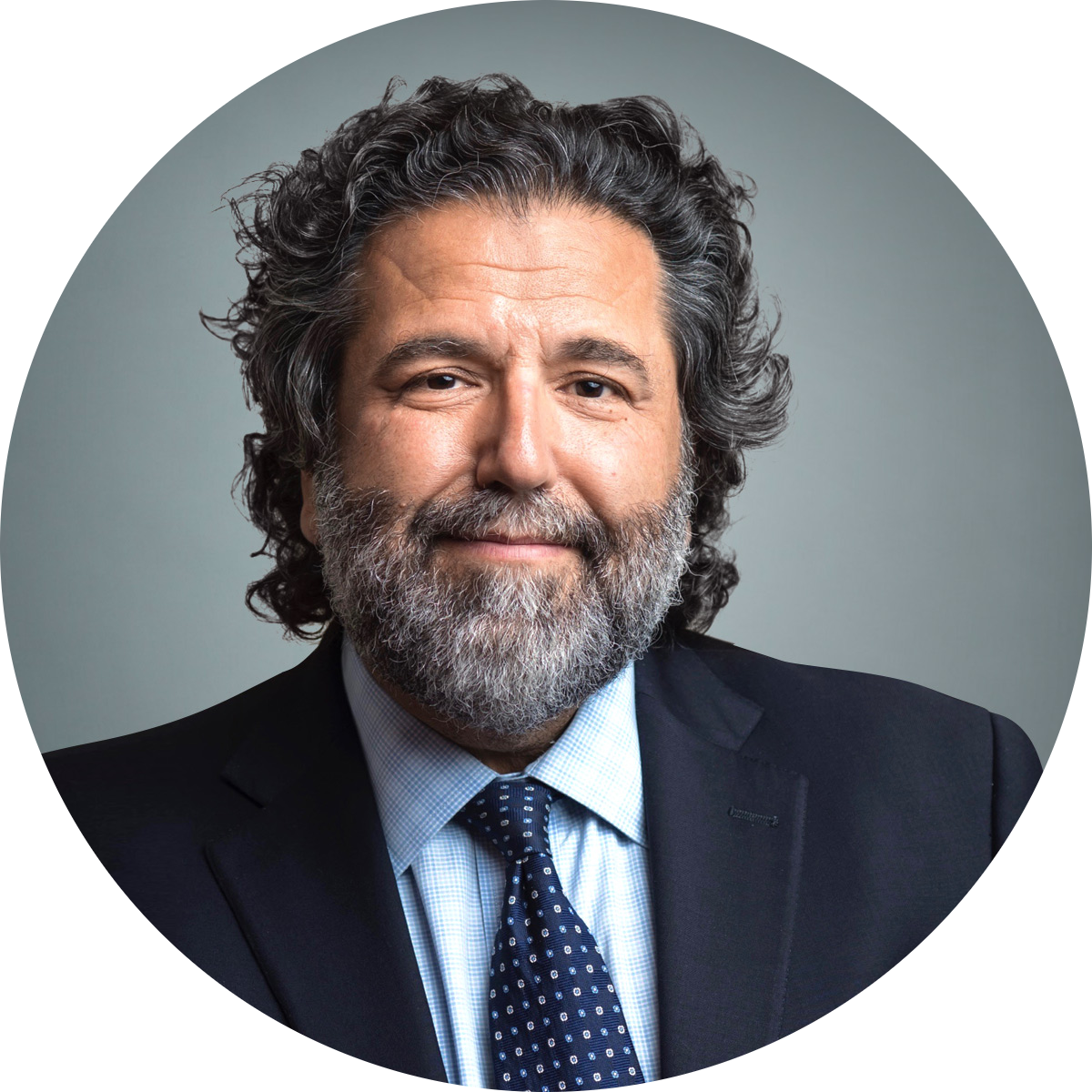
Anthony P. Bossis, PhD, is a clinical psychologist and clinical assistant professor of psychiatry at NYU School of Medicine, an adjunct professor of religious studies at the University of Ottawa, and an Investigator at The Lundquist Institute for Biomedical Innovation at UCLA. Since 2006, he has conducted FDA-approved clinical research with the psychedelic compound psilocybin. His primary research interests are the treatment of existential and psychological distress in end-of-life and palliative care and to advance our understanding of consciousness, meaning, and spirituality.
Dr. Bossis was director of palliative care research on a 2016 NYU clinical trial demonstrating a significant reduction in emotional distress from a single psilocybin session in persons with cancer and is the study director and lead therapist on a clinical trial investigating psilocybin experience and spirituality among religious leaders. Dr. Bossis is a training supervisor of psychotherapy at NYU-Bellevue Hospital Center and co-founder and former co-director of the Bellevue Hospital Palliative Care Service. He is on the faculty of the Art of Dying Institute in NYC, on the editorial board of the Journal of Humanistic Psychology, and a guest editor (with Charles Grob, MD) for the journal’s Special Series on Psychedelics. He maintains a private psychotherapy and consulting practice in NYC.
Brian Anderson, MD | Investigator
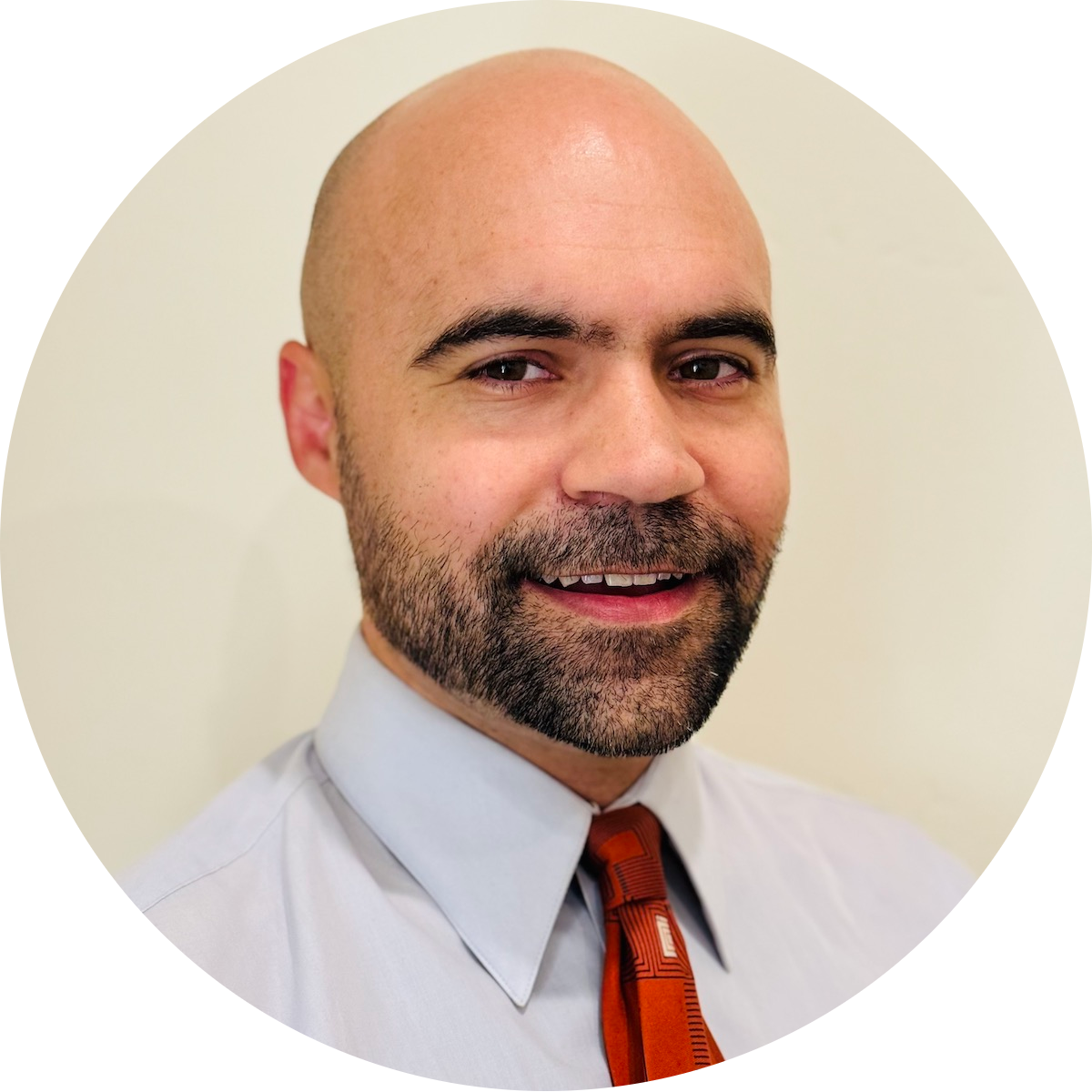
Brian Anderson, MD, MSc is a psychiatrist at Zuckerberg San Francisco General Hospital, and an Assistant Clinical Professor in the UCSF Department of Psychiatry and Behavioral Sciences. He is a founding investigator at the UC Berkeley Center for the Science of Psychedelics and he is affiliated with UCSF Neuroscape. His research group takes a public health approach to conducting clinical trials and observational studies that seek to improve how we address suffering and despair among people living with serious medical illness, older adults, and people who use drugs. For over 15 years, Dr. Anderson has studied the medical and non-medical uses of controlled substances, with a focus on psychedelics used in therapeutic and religious settings.
Michael Makhinson, MD, PhD | Investigator
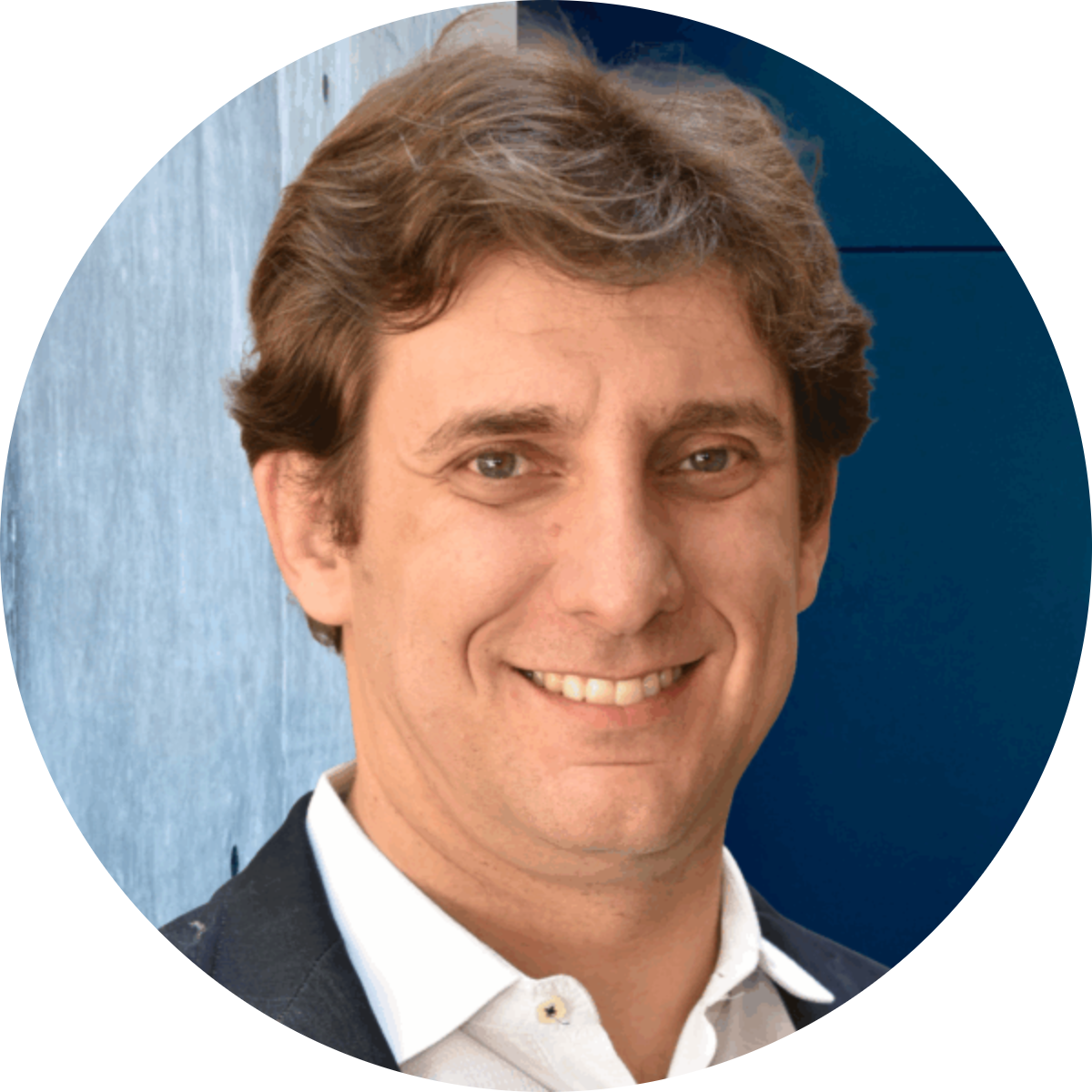
Michael Makhinson, MD, PhD is Chair of Psychiatry at Harbor-UCLA Medical Center and Professor and Vice Chair of Psychiatry at David Geffen School of Medicine at UCLA. He completed his M.D., and Ph.D. (neuroscience) degrees through the Medical Scientist Training Program at UCLA. He then completed his Psychiatry residency, also at UCLA. After residency, Michael then joined the Harbor-UCLA faculty, spending 17 years as Co-Director of the Psychiatry Service before taking the position of Chair.
Dr. Makhinson is currently on the Executive Committee and a Co-Investigator on the Pragmatic Trial of Psilocybin in Palliative Care (PT2PC) study of psychedelic-therapy for demoralization in end-of-life. He is also a lead on Project ReConnect at UCLA, an effort to catalyze research, practice and education in Ecological Medicine. In addition, he has published in research and practice areas of schizophrenia, medical decision-making, clinical ethics, cognitive bias in medicine, and brain stimulation.
Support Our Research and Invest in Healing for All
This research study is conducted by nonprofit academic institutions and clinics providing palliative care. The trial has no financial ties with any pharmaceutical company. All study findings will be made open access after the completion of the study. We are supporting the study by raising funds from private donations and foundation grants. Join us in finding new ways to live well and die at peace. Your tax-deductible donations will directly support this research trial and pave the way for the next frontier in palliative care.
This study has full regulatory approval and has begun treating participants at multiple sites. Additional funding is needed to meet our goal of enrolling 100 participants.
Your generosity will contribute to patient access, clinical research, professional training, and community outreach.
PSILOCYBIN RESOURCES
Learn more about innovative research for mental health and psilocybin therapy. Hear from prior psilocybin trial study participants as they discuss their experience navigating the psychedelic frontier.